I improve the pages that need to attract, explain and convert search demand. Every recommendation connects keyword intent, useful content, page structure, internal links and search presentation instead of treating on-page SEO as a checklist of repeated phrases.
Visibility problems often begin with a mismatch on the page.
A page may be indexed and technically accessible but still struggle because its purpose is unclear, the content misses the search intent or several URLs compete for the same topic.
01
Rankings stop below the strongest results
The page touches the topic but lacks the depth, evidence, structure or intent match users expect.
02
Several pages target the same keyword
Overlapping URLs split relevance and internal authority instead of establishing one clear owner.
03
Impressions grow but clicks remain weak
The title and description do not communicate a useful, specific reason to choose the result.
04
Traffic reaches the page but does not act
The copy answers the keyword without explaining the offer, building trust or guiding the next step.
Search intent and page ownership
One page needs one clear job.
Before optimizing copy, I determine which search need the page should own and how that purpose differs from nearby pages.
This means reviewing the query pattern, the current search results, the offer, the funnel stage and the existing site architecture. Closely related keyword variations can normally live on one strong page. A separate URL is justified only when the user need, deliverable or decision is genuinely different.
The result is a practical page map that reduces cannibalization and tells writers, designers and developers what each URL must accomplish.
01Choose the owner
Select the strongest existing or planned URL for the intent.
02Group the language
Combine useful variations without creating thin near-duplicate pages.
03Define the outcome
State what the visitor should understand, trust and do next.
04Connect the cluster
Plan parent, child and contextual links around the page.
On-page content optimization
Improve usefulness before adjusting keyword placement.
Good optimization makes the page more complete and easier to use. It should sound natural because the topic is covered properly, not because a phrase has been inserted a certain number of times.
Whether it is described as on-page optimization, on-site SEO or website page optimization, the purpose is the same: make the page easier for the right audience to discover, understand and act on.
Coverage and information gain
Identify unanswered questions, weak explanations and missing decision information. Add original examples, expert detail, comparison points or evidence that makes the page worth choosing.
Clarity and hierarchy
Organize the page so visitors can scan the promise, understand the sections and find the detail they need without working through repetitive filler.
Trust and conversion
Connect claims to proof, explain limitations honestly and place a relevant call to action where the visitor has enough information to decide.
Elements reviewed together
Every signal should reinforce the page’s purpose.
Isolated edits rarely solve a larger relevance problem. These elements are reviewed as one connected system.
01
SEO title and description
Accurate search presentation built around relevance, differentiation and click expectations.
02
H1 and heading structure
A visible hierarchy that introduces the page clearly and organizes supporting questions.
03
Body content
Useful coverage, natural terminology, expert detail and a clear progression toward the decision.
04
Internal linking
Descriptive links that support discovery, hierarchy, topical relationships and priority pages.
05
Images and media
Relevant visuals, descriptive alternatives, sensible dimensions and performance-aware delivery.
06
Entities and schema
Clear names, relationships and structured data that accurately describe visible page content.
07
Experience and accessibility
Readable layouts, useful navigation, mobile clarity and interactions that do not block the message.
08
Calls to action
A specific next step aligned with the page intent and the visitor’s level of readiness.
Working process
From search demand to an improved live page.
The process can cover one priority landing page or a larger group of service, product and content pages.
01Baseline
Review rankings, impressions, clicks, conversions and current page purpose.
02Research
Study search intent, result formats, competitors, language and audience questions.
03Page map
Assign one target intent, supporting topics, internal links and the desired action.
04Optimization
Improve the content, metadata, headings, media, links and page experience.
05Quality assurance
Check rendering, indexing signals, links, schema and implementation accuracy.
06Measurement
Monitor query movement, click response, engagement and relevant business outcomes.
What you receive
Clear recommendations ready for execution.
The deliverable is shaped around the website and available team. It can support direct implementation or provide a controlled brief for your writer, designer and developer.
Required sections, missing information, questions, evidence opportunities and conversion guidance.
03
Element-level recommendations
SEO title, description, H1, headings, internal links, media alternatives and schema notes.
04
Implementation QA
A review of the live changes against the approved brief and technical acceptance checks.
Measurement without inflated claims
Validate the change with the right evidence.
On-page SEO is measured against the purpose of the work, not one isolated number.
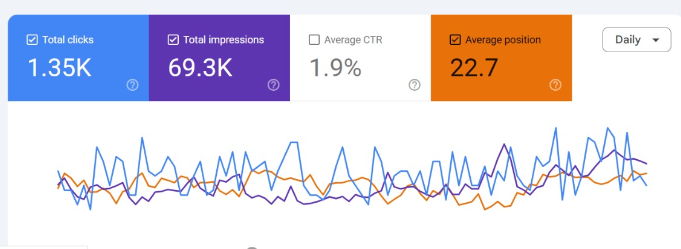
I use Search Console and Analytics to monitor relevant query impressions, clicks, landing-page behavior and conversion signals. Rankings and traffic are interpreted alongside seasonality, technical changes, content releases and off-page activity, so one edit is not credited for everything that happens afterward.
This supplied Search Console view documents overall organic performance. It is not presented as proof that one on-page change caused every result.
A practical commercial engagement
Get the scope, implementation support and reporting your website needs.
You can begin with a focused project or continue through monthly or annual SEO management. The recommendation is based on the website condition and business goal, not a fixed package.
01
Focused or ongoing scope
Choose a one-time service, expert consulting, monthly management or a longer growth plan.
02
Content and development
We can rewrite pages, create supporting blogs and use our own developer when implementation requires code.
03
Four updates per month
Ongoing clients receive a clear PDF update each week and can arrange a Google Meet when useful.
04
Custom quote
Pricing reflects the website, competition, target market, goals and actual workload required.
Realistic timing: early improvements may appear within 8 to 12 weeks after priority changes are implemented. Meaningful growth commonly takes 3 to 6 months or longer.
The exact scope depends on the website, but it can include search intent analysis, keyword mapping, content improvement, titles, descriptions, headings, internal links, images, schema guidance, page experience and conversion alignment.
Is on-page SEO the same as content writing?
No. Content writing produces or rewrites the page copy. On-page SEO determines what the page should own, how the information should be structured, which elements need improvement and how the page connects with the rest of the website. Some projects require both.
Can you optimize an existing page without rewriting everything?
Yes. If the page already contains useful material, the work can focus on correcting intent gaps, reorganizing sections, improving important elements and adding only the missing detail. A complete rewrite is recommended only when the current page cannot serve the required purpose.
How do you prevent keyword cannibalization?
I assign one primary intent owner to each page, consolidate close keyword variations and review competing URLs, internal links and search performance. Separate pages are created only when the user need or offer is meaningfully different.
Do you add keywords a specific number of times?
No. Keywords help define the topic and the language searchers use, but repetition targets are not a substitute for useful content. Terms are included naturally where they improve clarity, accuracy and search relevance.
When should on-page SEO be reviewed again?
Review important pages after a major offer change, redesign, migration, ranking decline or clear shift in search intent. Performance data may also show that a page needs stronger search presentation, additional information or better internal support.
Free on-page review
Find the page-level constraint before rewriting everything
Share the website and priority page. Usaid will review the enquiry and identify the clearest on-page opportunity to investigate first.
A personal review of the website and stated goal
The clearest SEO opportunity or constraint to investigate first
A recommended next step with no fixed package pressure