Priority pages lack relevant endorsements
Competitors have stronger topic-specific references, partnerships or resources supporting similar commercial pages.
Off-page SEO expert
I help businesses understand their backlink profile and build a relevant, defensible authority strategy. The work combines link auditing, competitor context, prospect qualification, outreach, digital PR and reporting, without selling guaranteed placements or using volume-led link networks that can damage trust.
Authority diagnosis
Before outreach begins, I review what the site already has, which pages need support, what competitors have earned and whether the content offers a credible reason for another website to link.
Competitors have stronger topic-specific references, partnerships or resources supporting similar commercial pages.
Old campaigns, sudden patterns, irrelevant domains or unnatural anchors require investigation before new work begins.
The website asks for links but provides no original research, useful resource, expert contribution or strong editorial reason.
A monthly total hides relevance, destination, context, lost links and the actual purpose of each placement.
Backlink audit and risk review
A link audit organizes evidence; it does not label every unfamiliar domain as harmful.
I review referring domains, linked pages, anchor patterns, topical relevance, placement context, link attributes, lost links and unusual changes. The findings are compared with the site’s history and current competitors.
Any removal or disavow recommendation needs careful evidence. Low authority alone is not proof of manipulation, and aggressive cleanup can remove useful signals. The objective is a documented decision, not fear-based reporting.
Referring domains, topic alignment and genuine site activity.
Editorial relevance, placement type, anchor and destination.
New patterns, broken destinations and reclaimable mentions.
Unnatural clusters are reviewed with evidence before action.
Link earning and outreach
The strategy selects tactics according to the business, expertise and available assets. It does not promise that every contacted website will respond or publish.
Match original guides, tools, checklists or research with pages whose audience would genuinely benefit from the resource.
Provide useful, attributable commentary to relevant publications, podcasts, interviews and collaborative content.
Develop a defensible data story, survey, comparison or expert analysis with a clear methodology and newsworthy angle.
Recover relevant lost links, unlinked brand mentions and broken destinations where the correction helps the publisher’s readers.
Identify real supplier, client, association, event and community relationships that can create useful references naturally.
Prioritize legitimate, relevant profiles and directories where business information helps discovery and verification.
Quality controls
Sustainable authority requires restraint. A fast-looking shortcut can create a long-term cleanup problem.
Placements are not sourced from controlled networks created to manipulate rankings.
Third-party metrics are useful clues, not proof of traffic, relevance or editorial quality.
Anchor language remains natural and is not engineered into repetitive commercial patterns.
Publication fit and reader value are assessed before a placement count.
Every earned placement and target page is visible in reporting.
Link work can support authority, but rankings remain affected by many systems outside any consultant’s control.
Transparent deliverables
Reporting separates confirmed placements from outreach activity and explains quality decisions instead of presenting one combined number.
Relevant patterns, target-page distribution, competitor context, lost opportunities and risks requiring evidence.
Topics, content assets, prospect types and the editorial reason each approach could earn attention.
Publication relevance, target audience, contact status and rejection reasons where appropriate.
Live URL, destination, context, link attributes, status changes and insights for the next campaign cycle.
Evidence without false attribution
A new link can support discovery and confidence, but it is not honest to claim that one placement caused every ranking or traffic change.
I monitor relevant referring domains, supported pages, link stability, target queries, organic landing-page performance and business outcomes. The interpretation accounts for technical releases, content changes, demand and search updates occurring during the same period.
Review supplied performance evidence ↗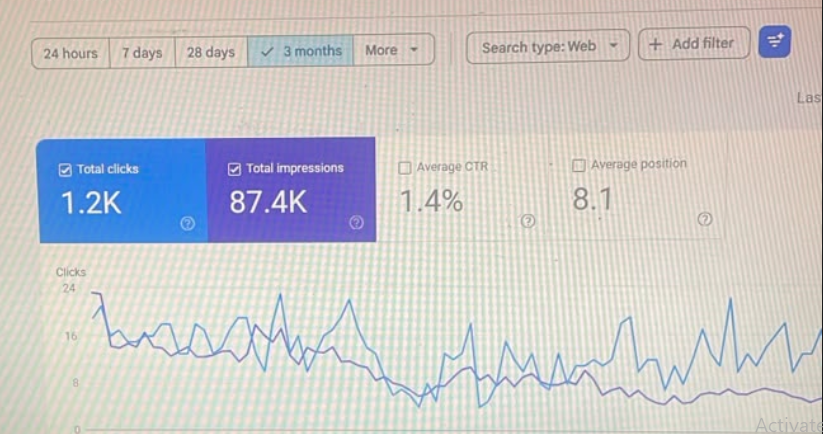
A practical commercial engagement
You can begin with a focused project or continue through monthly or annual SEO management. The recommendation is based on the website condition and business goal, not a fixed package.
Choose a one-time service, expert consulting, monthly management or a longer growth plan.
We can rewrite pages, create supporting blogs and use our own developer when implementation requires code.
Ongoing clients receive a clear PDF update each week and can arrange a Google Meet when useful.
Pricing reflects the website, competition, target market, goals and actual workload required.
Realistic timing: early improvements may appear within 8 to 12 weeks after priority changes are implemented. Meaningful growth commonly takes 3 to 6 months or longer.
Request a Free SEO ReviewFrequently asked questions
The scope can include backlink auditing, competitor link-gap research, asset planning, prospect qualification, editorial outreach, digital PR, link reclamation, relevant citations and transparent placement reporting.
No. Outreach depends on independent publishers, and a guaranteed volume often encourages weak or controlled placements. We can agree activity and quality standards, but a genuine editorial link cannot be promised before a publisher chooses to include it.
I review topical and audience relevance, editorial context, destination fit, indexability, genuine website activity, link attributes and anchor language. Third-party authority metrics can support research but do not decide quality by themselves.
No private link networks or hidden bulk-link schemes are used. Any sponsorship or paid relationship must be transparent and use appropriate link attributes. The focus is on defensible editorial value and real relationships.
Yes. The audit can review referring domains, anchors, target pages, relevance, link losses and unusual patterns. Removal or disavow action is recommended only when the available evidence justifies it.
Research and asset preparation can begin quickly, while outreach and editorial decisions take time. The timeline depends on the market, current authority, quality of the destination and the strength of the story or resource being promoted.
Free authority review
Share your website, target market and link-building concern. Usaid will review the enquiry before recommending outreach or authority work.
Prefer email? Write to hello@learnwithusaid.com