Important URLs are not indexed
Robots rules, canonicals, noindex directives, crawl paths or duplication prevent the intended page from becoming the search result.
Technical SEO consultant
I help businesses find and resolve the crawling, indexation, rendering, architecture and performance problems that keep useful pages from being discovered and evaluated correctly. You work directly with an experienced technical SEO specialist, with recommendations translated into actions your developer can implement and verify.
Problems I investigate
A technical problem may affect one template, one directory or the whole website. The first job is to establish the scope and evidence before recommending a platform-wide change.
Robots rules, canonicals, noindex directives, crawl paths or duplication prevent the intended page from becoming the search result.
Critical links or copy depend on JavaScript behavior that is delayed, blocked or inconsistent during rendering.
Orphan pages, faceted URLs, parameter combinations and weak internal pathways make priority content harder to reach.
Redirects, templates, metadata or tracking change during a redesign or migration without a controlled SEO acceptance process.
Crawling and indexation
Being live is not the same as being eligible to rank.
I compare the intended site structure with actual crawl behavior and Search Console evidence. The review can include robots.txt, XML sitemaps, status codes, canonical tags, noindex rules, duplicates, parameter handling, crawl depth and internal linking.
The output distinguishes deliberate exclusions from mistakes. It also identifies when several technical signals disagree, so the fix resolves the underlying conflict instead of hiding a symptom.
Navigation, internal links, sitemap discovery and robots access.
Status code, redirect behavior and server stability.
Canonical, meta robots and duplication decisions.
Search Console inspection and index coverage evidence.
Rendering, performance and architecture
The recommendations are adapted to the platform and implementation reality. A technically ideal suggestion has little value if it cannot be released safely or creates a worse user experience.
Check whether essential content, navigation and canonical signals are present in the delivered HTML and reliably available after rendering.
Separate field data from lab diagnostics, identify template-level causes and prioritize changes that improve real user experience.
Review hierarchy, crawl depth, orphan pages, pagination and internal link distribution around commercial and informational content.
Validate that schema is eligible, accurate and consistent with the content users can actually see on the page.
Inspect language and regional URL structure, hreflang relationships and conflicts that can surface the wrong market page.
Protect URLs, content, redirects, metadata, internal links, analytics and indexation through pre-launch and post-launch checks.
Audit-to-fix workflow
I document the evidence, business impact, recommended fix, owner and acceptance check for each priority issue.
Goals, priority templates, known changes, analytics and Search Console patterns.
Combine site crawling, rendered HTML, server behavior and platform-specific checks.
Validate findings against index coverage, URL inspection, field performance and logs where available.
Order work by affected URLs, business importance, confidence, effort and dependencies.
Provide examples, developer tickets and clarification while changes are implemented.
Retest the release and monitor whether the intended technical signals change.
Technical SEO deliverables
The scope can support an ongoing technical SEO consultancy, a focused investigation or pre-launch migration review.
Each finding records the affected area, evidence, likely impact, confidence and why action is required.
Work is grouped by templates and dependencies so the team can plan releases instead of chasing tool scores.
Expected behavior, examples and acceptance criteria reduce ambiguity between the recommendation and the code change.
Important fixes are recrawled and checked against the original evidence, with remaining risks documented clearly.
Measured without overclaiming
A corrected directive or faster template is first verified at the implementation level, then monitored for search impact.
I use appropriate evidence such as crawl results, rendered output, URL Inspection, index coverage, Core Web Vitals, Search Console landing-page data and Analytics. Search growth can also be influenced by content, competition and authority, so it is not credited to one technical change without evidence.
Review documented SEO results ↗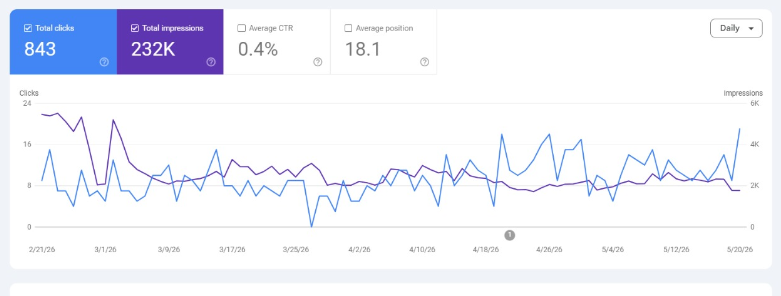
A practical commercial engagement
You can begin with a focused project or continue through monthly or annual SEO management. The recommendation is based on the website condition and business goal, not a fixed package.
Choose a one-time service, expert consulting, monthly management or a longer growth plan.
We can rewrite pages, create supporting blogs and use our own developer when implementation requires code.
Ongoing clients receive a clear PDF update each week and can arrange a Google Meet when useful.
Pricing reflects the website, competition, target market, goals and actual workload required.
Realistic timing: early improvements may appear within 8 to 12 weeks after priority changes are implemented. Meaningful growth commonly takes 3 to 6 months or longer.
Request a Free SEO ReviewFrequently asked questions
The scope can include crawling, indexation, robots directives, XML sitemaps, canonicals, redirects, JavaScript rendering, site architecture, internal links, Core Web Vitals, structured data and migration risks. The exact review is shaped around the website and known problem.
Many technical changes require developer access, especially when they affect templates, routing, rendering or performance. I can translate findings into developer-ready guidance and acceptance checks, then review the released implementation.
Yes. Support can cover the pre-launch URL inventory, redirect map, template and metadata checks, analytics continuity, launch validation and post-launch monitoring. Involving SEO before development is complete usually reduces avoidable migration risk.
No. JavaScript can support excellent websites, but essential content, links and search signals need to be delivered and rendered reliably. The review tests the actual implementation rather than assuming that every JavaScript framework creates the same problem.
Priority considers the importance and number of affected URLs, strength of the evidence, likely impact, implementation effort and dependencies. A tool warning is not treated as critical until its effect and scope are understood.
No. Technical improvements can remove barriers, but organic performance also depends on search demand, page quality, competition and authority. I verify implementation and monitor relevant search evidence without promising a ranking or traffic outcome.
Free technical review
Share your website and the symptoms you have noticed. Usaid will personally review the enquiry and reply with the most useful technical next step.
Prefer email? Write to hello@learnwithusaid.com